Florida Private Security D License
This course covers the Florida state requirements to be qualified as a D Licensed private security officer in the state of Florida.
Availability: Fully booked

Course Format & Exam
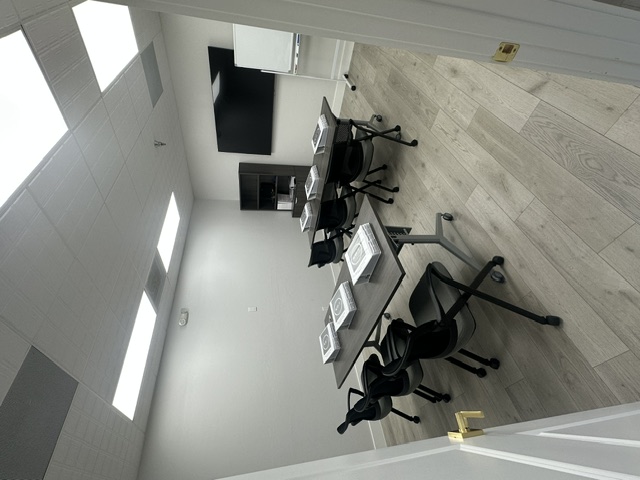
- Delivery: The course is taught in-person at our state-licensed training facility, instructor-led by a qualified and licensed instructor. [1, 2, 3]
- Final Exam: The curriculum concludes with a proctored, multiple-choice examination (typically around 170 questions). You must pass this exam to receive your Certificate of Completion, which you will submit to the state. [1, 2, 3, 5]
Eligibility Requirements
To enroll in the course and ultimately apply for your license, you must:
- Be at least 18 years old.
- Be a U.S. citizen, legal resident, or legally authorized to work in the United States.
- Successfully clear a background check and submit your fingerprints. [1, 2]
To work as an unarmed security guard in Florida, you must complete a state-mandated 40-hour training course. This program provides the foundational knowledge—covering legal liabilities, patrol techniques, and emergency response—required to pass the final exam and apply for your Class "D" Security License with the state. [1, 2, 3]
The 40-hour curriculum is generally divided into several core modules that ensure you can effectively deter, detect, and respond to incidents. [1, 2]
Core Curriculum Modules
- Florida Statutes & Legal Authority: Understand Chapter 493 of the Florida Statutes, which outlines the legal authority, limitations, and ethical constraints of an unarmed security officer. [1, 2]
- Patrol & Observation: Learn proper foot and vehicle patrol methods, crime and accident prevention, and how to accurately identify suspicious activities. [1, 2, 3]
- Report Writing & Interviewing: Master the art of gathering accurate information, conducting witness interviews, and writing professional incident and daily activity reports. [1, 2]
- Access Control & Physical Security: Learn procedures for visitor screening, verifying identification, managing crowds, and controlling entry/exit points. [1, 2]
- Emergency Procedures: Training on how to respond to medical emergencies, fires, and safety hazards, as well as maintaining proper communication and radio protocol. [1]
- Terrorism Awareness: Identify potential terrorism threats, recognize suspicious packages, and follow facility lockdown or evacuation procedures. [1, 2]
Store Hours